
WALLPAPER DESIGN: Mallard
Choosing wallpaper is not usually just about color. More often, it comes down to pattern. The scale, spacing, and overall feel of a design can completely change how a room looks once it is up on the wall.
If you’re browsing different wallpaper patterns like florals, stripes, or nursery designs, this guide will help you choose what actually works in your space, not just what looks good in a photo.
If you’ve ever ordered a sample and felt unsure once you saw it in your room, it is usually because the pattern was not quite right for the scale of the space. Some designs make a room feel taller, some feel softer, and others become the focal point right away.
Thinking about pattern first, instead of just color, makes the decision much easier.
Stripes can add height and structure
Stripe wallpaper is one of the easiest patterns to work with. Vertical lines naturally draw your eye upward, which can make ceilings feel taller and rooms feel more open.
They also give a space structure without making it feel busy, which is helpful if you are planning to layer in shelves, decor, or artwork.
Another benefit of stripes is how forgiving they are. Even in smaller rooms or spaces with lower ceilings, they tend to make everything feel a bit more balanced.

WALLPAPER DESIGN: Floral Vertical Stripe
If you are unsure where to start, stripes are usually the safest option. They work well in almost any room and are easy to style over time.
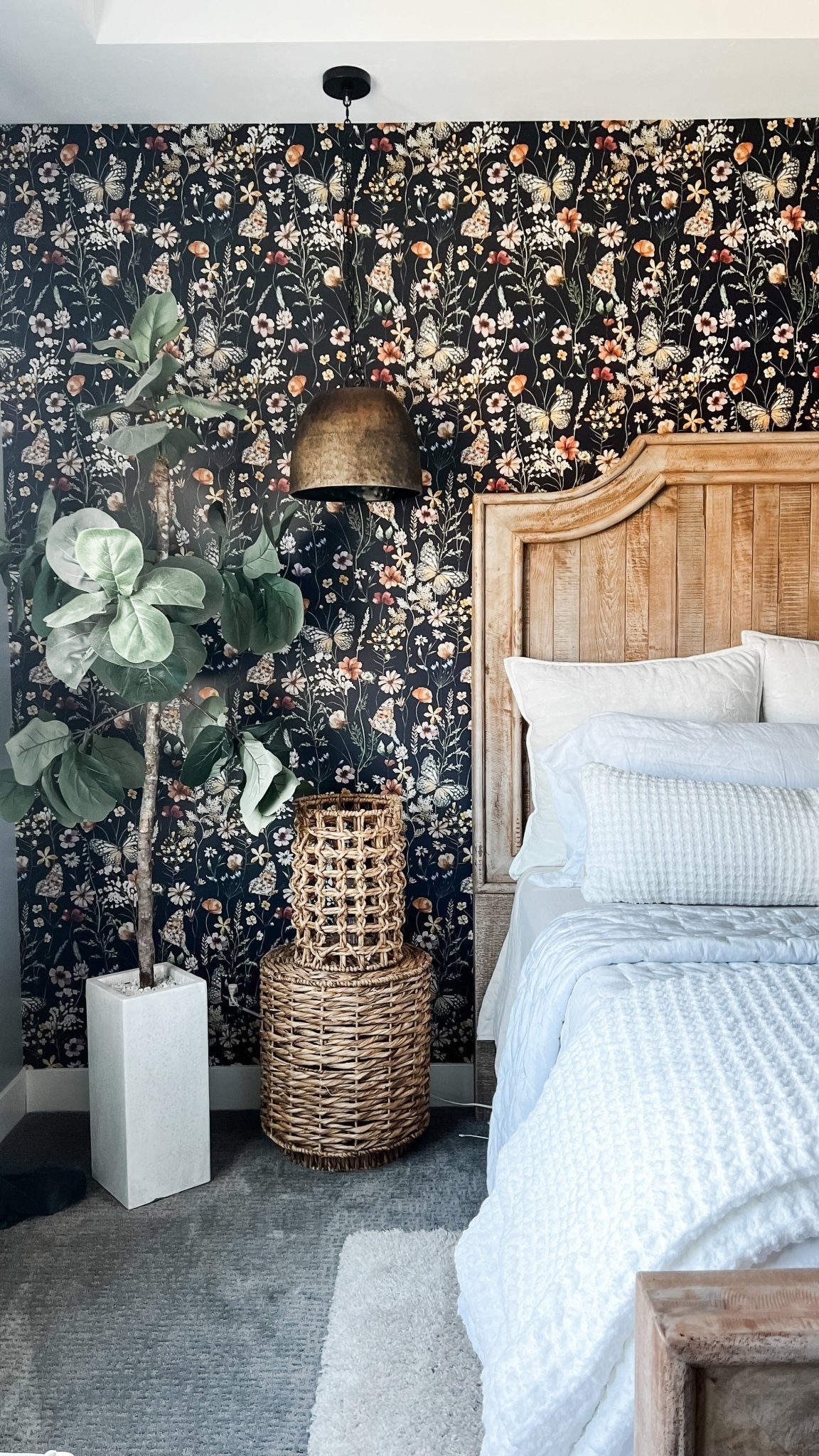
Large-scale florals create an instant focal point
Larger floral wallpaper has a very different impact. Instead of sitting quietly in the background, it becomes the main feature of the room.
This works especially well if you want a space to feel more styled without needing a lot of extra decor. A single wall can completely shift the look of the room.
Scale matters here. Larger patterns tend to work better on bigger walls where the design has room to breathe. On smaller walls, they can feel more bold than expected.

WALLPAPER DESIGN: Peach Anemone
Keeping the colors soft helps the overall look stay calm, even with a larger pattern. This is often what makes floral wallpaper feel timeless rather than overwhelming.
Illustrated wallpaper patterns add personality to a space
Patterns with animals or hand-painted details bring in a more personal feel. They add interest without needing anything else on the wall, which makes them a great option for nurseries or smaller spaces.
Because the tones are soft, they still feel easy to live with and not overly themed.
These kinds of wallpaper patterns are also very flexible. They can grow with the room, especially in nurseries or kids’ spaces where you do not want to redesign everything in a year or two.

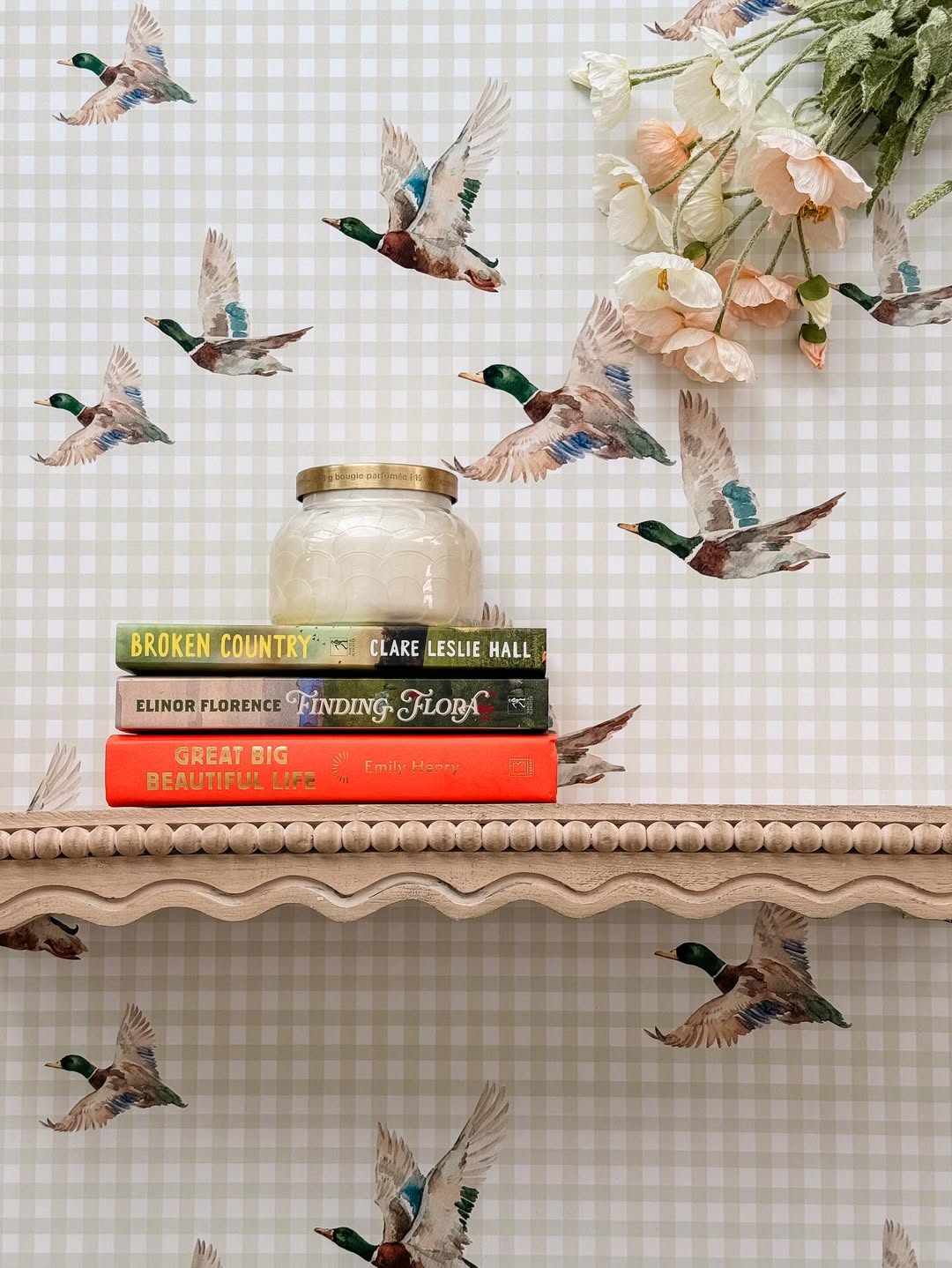
WALLPAPER DESIGN: Goose Migration
This kind of pattern works well when you want something a little more unique without making the space feel busy.
Repeating motifs create a classic look
Wallpaper that follows a structured, repeating layout tends to feel more traditional and balanced. The pattern is easy to read, which gives the room a more polished and intentional look.
This style works especially well in nurseries and kids’ rooms where you want something soft but still designed.
Because the spacing is consistent, repeating patterns are also easier to plan around when installing. You can visualize how the pattern will flow across the wall more easily compared to larger or more abstract designs.

WALLPAPER DESIGN: Duckling Parade
It is a good option if you are looking for something timeless rather than trend-driven.
Subtle patterns can still have a big impact
Not every wallpaper needs bold contrast to stand out. Softer, tonal designs can add just enough texture and detail without taking over the space.
These are especially useful if you want the room to feel light and layered, or if you already have a lot going on with furniture and decor.
Subtle wallpaper is often overlooked, but it can have one of the biggest long-term impacts. It gives the room depth without locking you into a specific style.

WALLPAPER DESIGN: Pink Ribbon
Subtle wallpaper tends to be the most flexible over time as your space evolves.
Detailed wallpaper adds depth and interest
More detailed designs can bring a lot of depth into a room. When a pattern combines botanicals, animals, and layered elements, it creates something that feels rich without needing bold colors.
This works well in spaces where you want the walls to feel full and intentional.
The key with detailed wallpaper is balance. Keeping the color palette soft allows the detail to come through without overwhelming the space.

WALLPAPER DESIGN: Owl Hollow
Even with more detail, these designs can still feel calm when the tones are cohesive.
How to choose the right wallpaper pattern for your space
If you are still deciding between a few options, it helps to step back and think about how you want the room to feel rather than focusing only on the design itself.
A few simple guidelines can make the decision easier. If you want the room to feel taller, vertical stripes are usually the best choice. If you want the wall to become a focal point, a large-scale floral can do that right away. If you want something playful or more personal, illustrated patterns are often a great fit.
If you are after something timeless, repeating motifs tend to hold up really well. And if you want the most flexibility as your decor changes over time, softer and more tonal wallpaper patterns are often the easiest to live with.
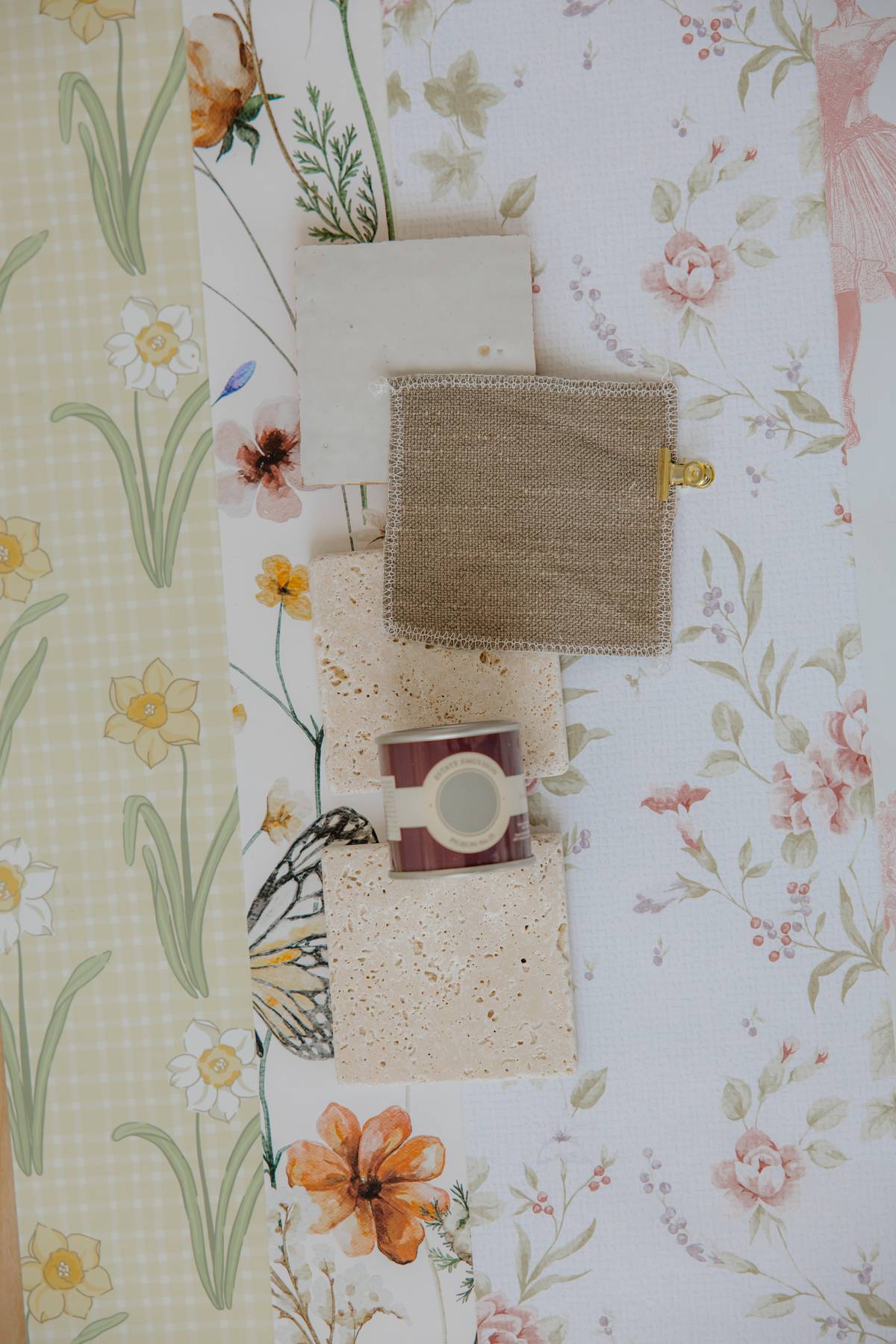
It can also help to tape a sample to your wall and step back. Seeing the pattern in your actual lighting makes a much bigger difference than looking at it on a screen.
Final thoughts
There is not one perfect wallpaper pattern, but there is usually one that makes the most sense for your space.
Stripes can add structure, florals can create impact, and illustrated designs can bring in personality. The right choice usually comes down to what you want the room to feel like once everything is in place.
If you are deciding between a few options, it helps to think about the scale of the wall, the amount of decor already in the room, and whether you want the wallpaper to sit quietly in the background or stand out as the main feature.
Frequently asked questions
What wallpaper pattern is best for a small room?
Stripes can help make a room feel taller, while softer patterns keep the space from feeling too busy. The best choice depends on whether you want the room to feel airy, cozy, or more decorative.
Are large wallpaper patterns too much for a nursery?
Not at all. Larger florals or illustrated designs can work beautifully in a nursery, especially when the rest of the room is kept simple and the palette stays soft.
What is the easiest wallpaper pattern to style?
Stripes and subtle repeating patterns are usually the most versatile. They tend to work with a wider range of furniture, artwork, and decor.
How do I know if a wallpaper pattern will work?
Taping a sample on your wall and stepping back is the best way to understand scale and overall feel. It is one of the easiest ways to tell whether a design suits your space before committing to a full wall.