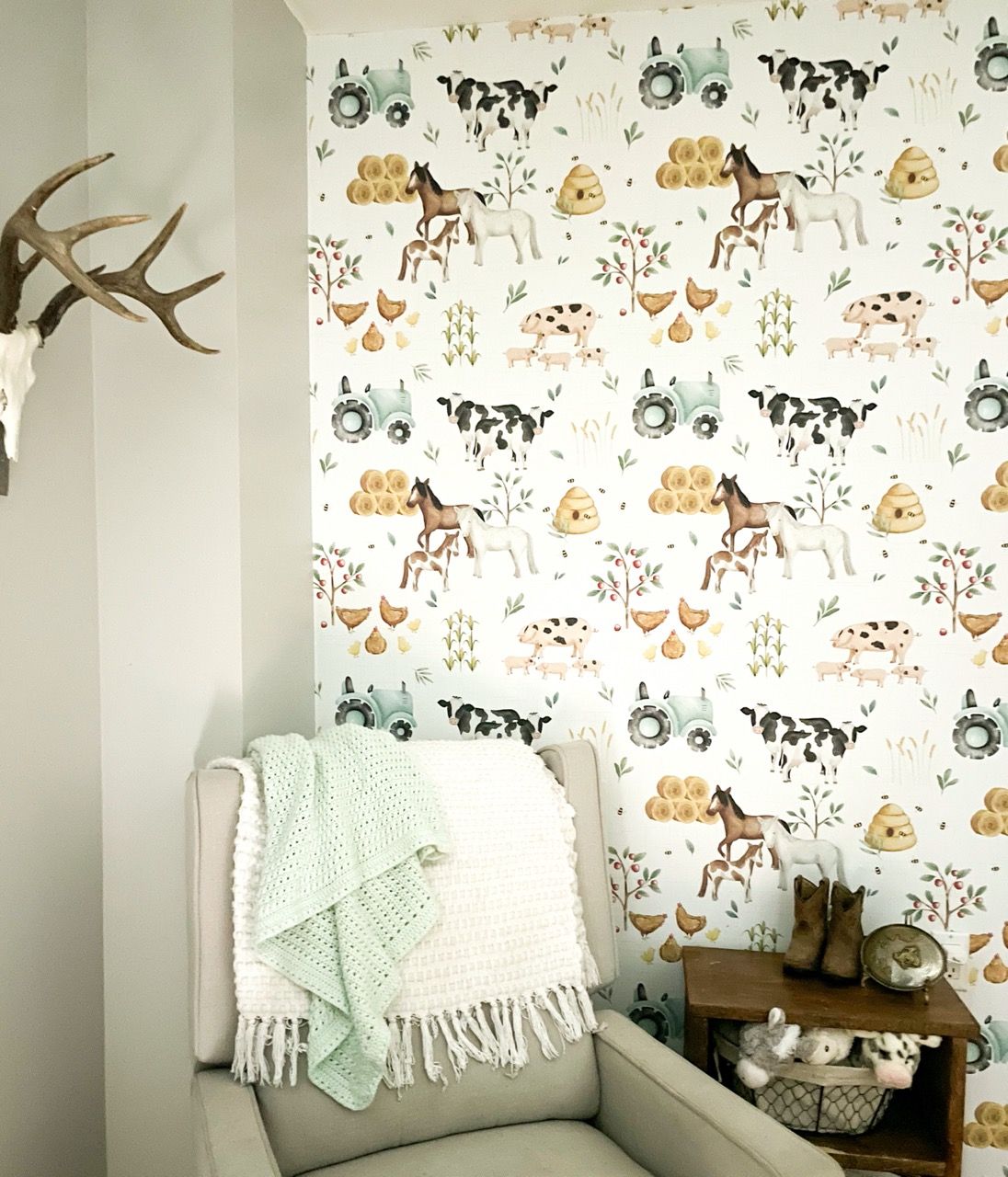

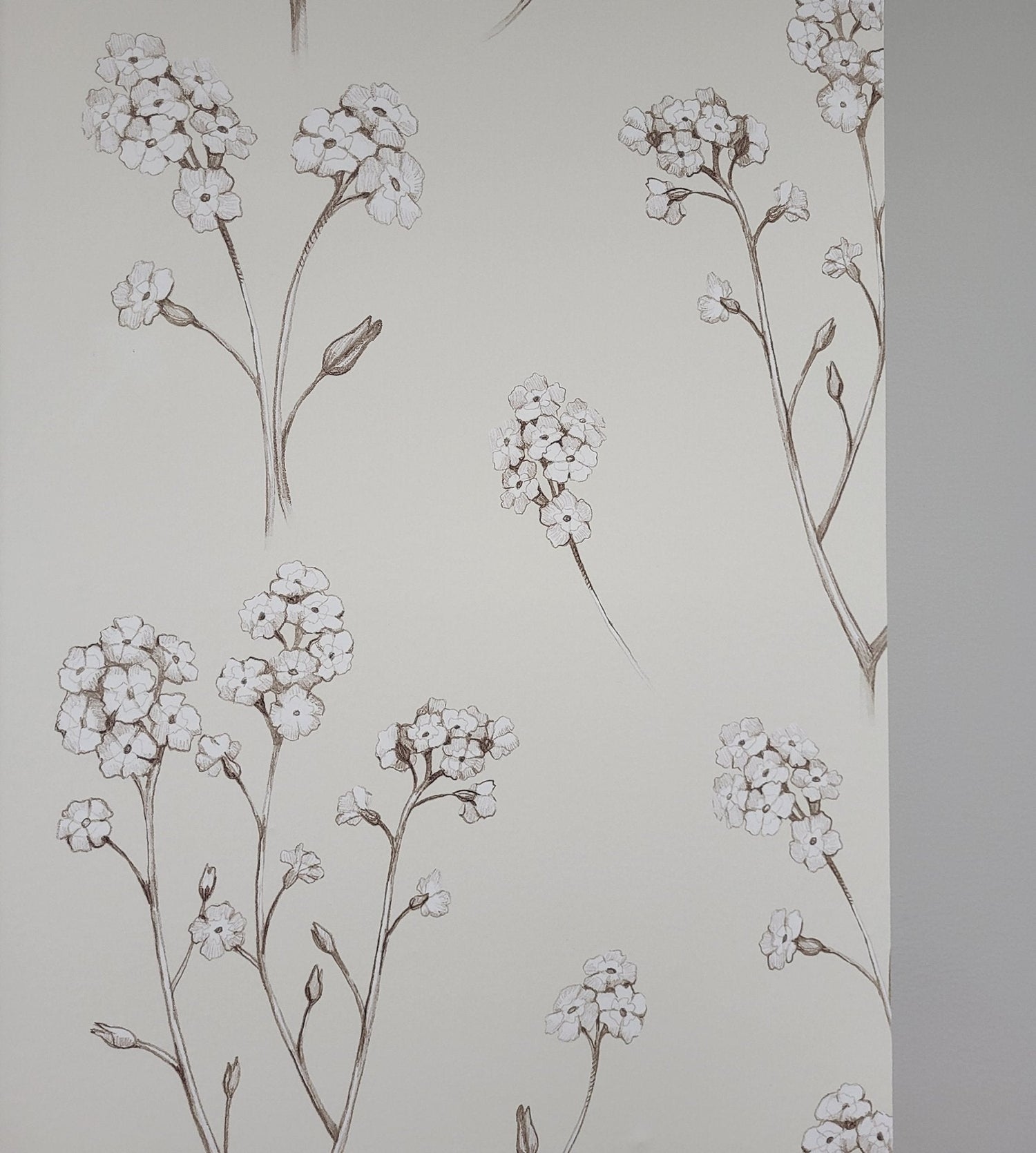
PHOTO CREDIT: @rockymountaindecals | PEEL AND STICK WALLPAPER DESIGN: Thornhill
Does peel and stick wallpaper damage walls? In most cases, no. When it is installed on a properly prepared wall and removed carefully, high quality peel and stick wallpaper should not destroy or permanently damage your walls.
This is one of the biggest questions shoppers ask before buying removable wallpaper, especially renters or anyone decorating a nursery, bedroom, or feature wall. The good news is that peel and stick wallpaper is designed to be removable. The bigger issue is usually not the wallpaper itself, but the condition of the wall underneath it.
If you are wondering whether peel and stick wallpaper damages paint, drywall, or textured walls, here are the most important things to know before installing.

PHOTO CREDIT: @rockymountaindecals | PEEL AND STICK WALLPAPER DESIGN: Goldie
When peel and stick wallpaper does not damage walls
Peel and stick wallpaper is generally safe for walls that are smooth, clean, fully cured, and properly painted. When those conditions are met, removable wallpaper is designed to peel away much more cleanly than traditional pasted wallpaper.
This is why so many people choose it for rentals, nurseries, home offices, and other spaces they may want to update later. A high quality wallpaper material also makes a difference. Low quality adhesive products are more likely to tear, leave residue, or remove inconsistently.
1. Choose high quality peel and stick wallpaper
Not all removable wallpaper is made the same. A high quality material is one of the biggest factors in whether your wallpaper removes cleanly later on.
At Rocky Mountain Decals, we use high quality peel and stick wallpaper made from premium wall fabric. A better wallpaper material helps the product install more smoothly, lift more cleanly, and hold up better over time.
If you are worried about wall damage, choosing a premium removable wallpaper is one of the best places to start.
2. Let paint cure fully before installation
One of the most common causes of wall damage is installing wallpaper too soon after painting. Fresh paint may feel dry to the touch, but that does not mean it has fully cured.
We recommend waiting at least 4 weeks after painting before applying peel and stick wallpaper. This gives the paint time to harden properly and reduces the risk of the paint lifting during removal.
If wallpaper is applied over uncured paint, the adhesive can bond to the soft paint layer instead of the wall surface underneath. When removed, that paint can come away with it.

PHOTO CREDIT: @rockymountaindecals | PEEL AND STICK WALLPAPER DESIGN: Butterfly Song
3. Make sure your walls are properly prepared
Wall preparation matters just as much as the wallpaper itself. Peel and stick wallpaper performs best on walls that are:
- smooth
- clean and dry
- properly primed and painted
- free from dust, grease, or flaking paint
If your wall has bare drywall, minimal paint coverage, old damage, or a weak paint bond, removal can be less predictable. For example, if a wall has only drywall and one thin coat of paint, it is possible that some paint damage may occur when removing wallpaper later on.
Textured walls can also cause issues. Even if the wallpaper sticks at first, texture can affect both adhesion and removal. If there is any doubt about your wall finish, samples are always a smart first step.
Does peel and stick wallpaper remove paint?
It can, but usually only when the wall was not fully cured, properly painted, or well prepared before installation. The wallpaper itself is not typically the root issue. Most problems happen because the paint underneath is weak, fresh, or poorly bonded to the wall.
That is why proper prep is so important. If your walls are in good condition and you remove the wallpaper carefully, most people will not experience damage.
How to remove peel and stick wallpaper more safely
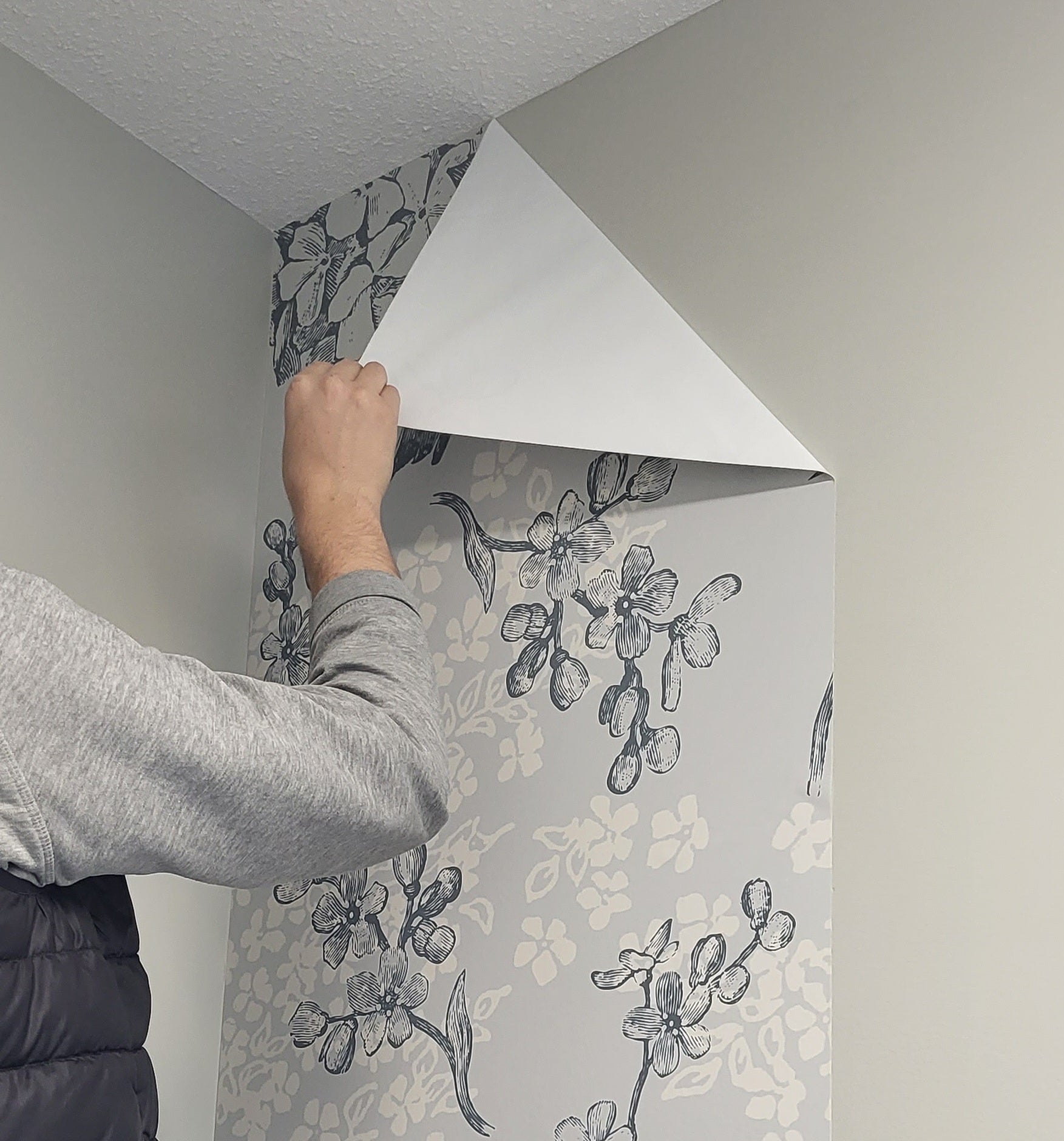
When it is time to take your wallpaper down, remove it slowly rather than pulling quickly. Gently peel from a corner and work your way down at a steady angle. This helps reduce stress on the paint surface underneath.
If you want more removal tips, you can check out our blog post on how to remove peel and stick wallpaper and wall decals.
Final thoughts
So, does peel and stick wallpaper destroy walls? In most cases, no. On properly prepared, smooth, fully cured walls, high quality peel and stick wallpaper is designed to remove cleanly.
The best way to avoid damage is to use a quality wallpaper, wait for paint to cure, and make sure the wall underneath is in good condition before installation. Those three steps make the biggest difference.
Frequently asked questions
Does peel and stick wallpaper damage walls?
Usually no. It is designed to be removable, but walls should be smooth, clean, properly painted, and fully cured before installation.
Does peel and stick wallpaper remove paint?
It can remove paint if the paint was not fully cured or if the wall surface was poorly prepared. This is much less likely on a properly finished wall.
Is peel and stick wallpaper safe for renters?
Yes, peel and stick wallpaper is often a great option for renters because it is removable. Testing a sample first is always a good idea.
Can I apply peel and stick wallpaper on freshly painted walls?
No. We recommend waiting at least 4 weeks after painting so the paint can fully cure before wallpaper installation.
What walls should I avoid?
Peel and stick wallpaper is best on smooth, painted walls. Textured walls, dusty walls, or poorly painted surfaces can lead to adhesion or removal issues.
Updated: April 2026